Sample article. This evergreen demonstration is provided to test Headlinora’s publishing system. It is not a report of a current event.
A scorecard is easier to follow when you separate the match result, each innings and individual contributions. Use the official competition record and the playing conditions that apply to that format.
Start with the match frame
Identify the teams, format, venue, match status and result as recorded by the official source. Distinguish a live score from a completed result. Check whether an interruption or a revised target is noted.
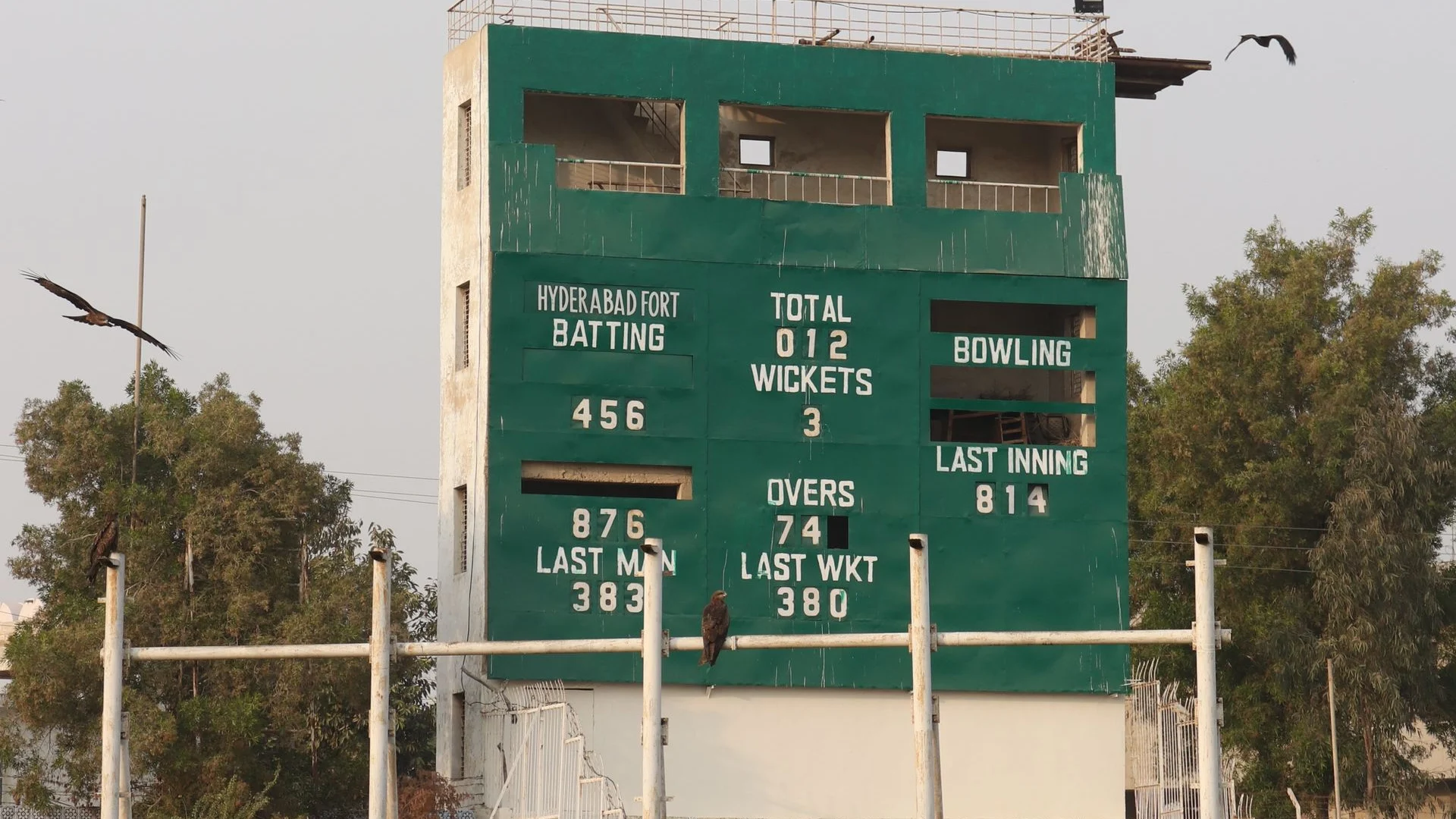
Read one innings at a time. Keep the team total, wickets and overs together. These describe the state of the innings; an individual batting or bowling figure answers a narrower question.
Follow the contribution columns
For batting, read the column headings before comparing entries. For bowling, identify which measures describe workload and which describe runs or wickets. Do not rely on a cropped image with missing labels.
Consult the applicable rules if a notation is unfamiliar. Competition playing conditions can specify details that are not apparent from a summary card. Use the current document for the relevant competition and match format.
Keep your summary faithful
Write a brief summary using only the confirmed record. If you add an assessment of performance, distinguish that assessment from the score itself. A strong opinion should not change the underlying result.
This sample contains no live fixture or invented score. Its purpose is to show how a sports article can connect explanatory content to score and match fields without presenting imaginary reporting.
Practical checklist
- Confirm format and match status
- Read innings separately
- Keep column labels with figures
- Check the official competition record
What to take away
A scorecard tells several connected stories. Start with the result and work down to the detail without losing the match context.