Sample article. This evergreen demonstration is provided to test Headlinora’s publishing system. It is not a report of a current event.
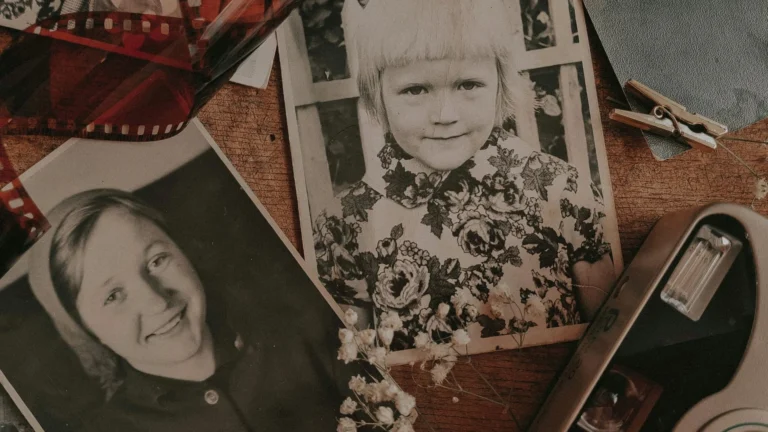
A photo collection becomes more useful when its context survives alongside the images. A modest cataloguing and copying routine can preserve names, dates and uncertainty without altering the original record.
Make an initial record
Give each item or group a simple identifier. Record what you can see and what someone has told you separately. A handwritten date on the back of a print is a source to preserve, even if it may need checking.
Avoid filling gaps with a confident guess. Use descriptions such as approximate date or unidentified person when that is what the evidence supports. Keep the name of the person who supplied an identification and when they supplied it.
Keep originals and working copies
When creating digital copies, retain the highest-quality original file from the process and make separate copies for editing or sharing. Keep a consistent relationship between the image identifier and its descriptive record.
Store copies in more than one appropriate place and test that you can open them. A folder full of files is not a complete archive if nobody can understand the names or recover the context later.
Plan access and future use
Ask permission before publicly sharing personal photographs or accounts, especially when living people are identifiable. Record restrictions in the catalogue rather than relying on memory.
Create a short readme explaining the folder structure, identifiers and uncertain information. Review the collection periodically as devices and software change. This sample illustrates an archival workflow rather than presenting invented family history.
Practical checklist
- Assign stable identifiers
- Preserve captions and their sources
- Keep original and edited copies separate
- Document permission and uncertainty
What to take away
Preservation includes the story of the record itself. A clear identifier and a few honest notes can be as valuable as a well-organised image folder.